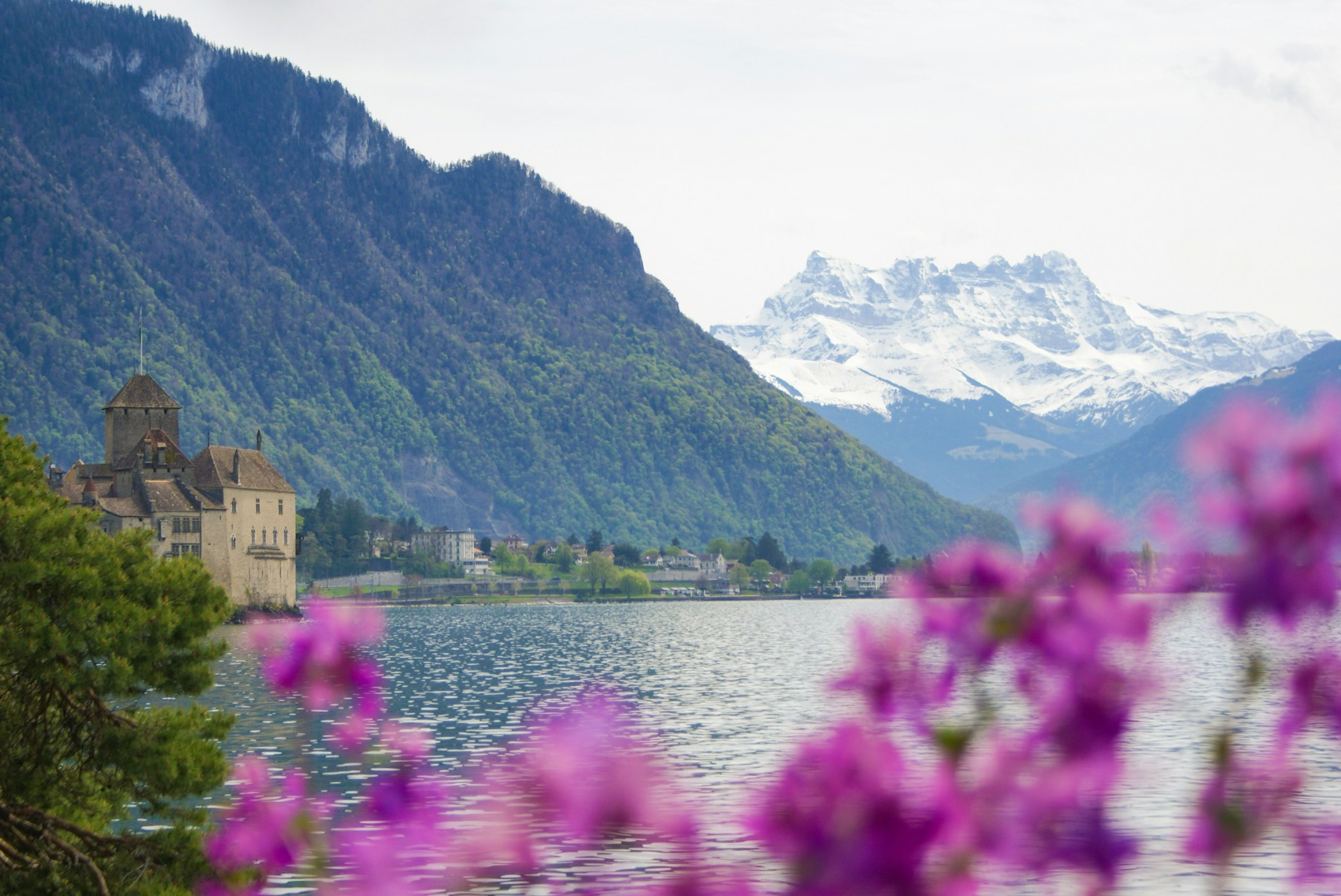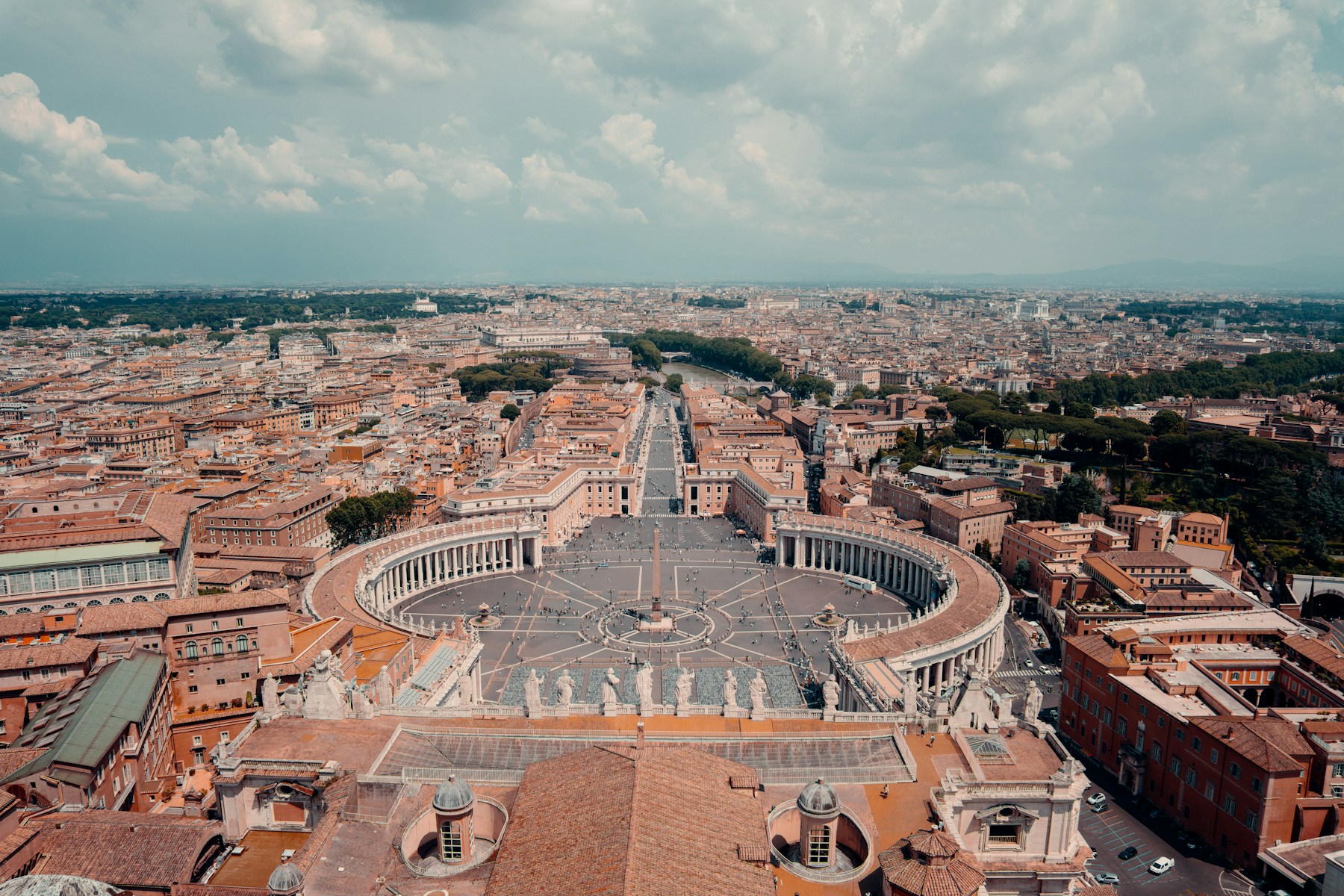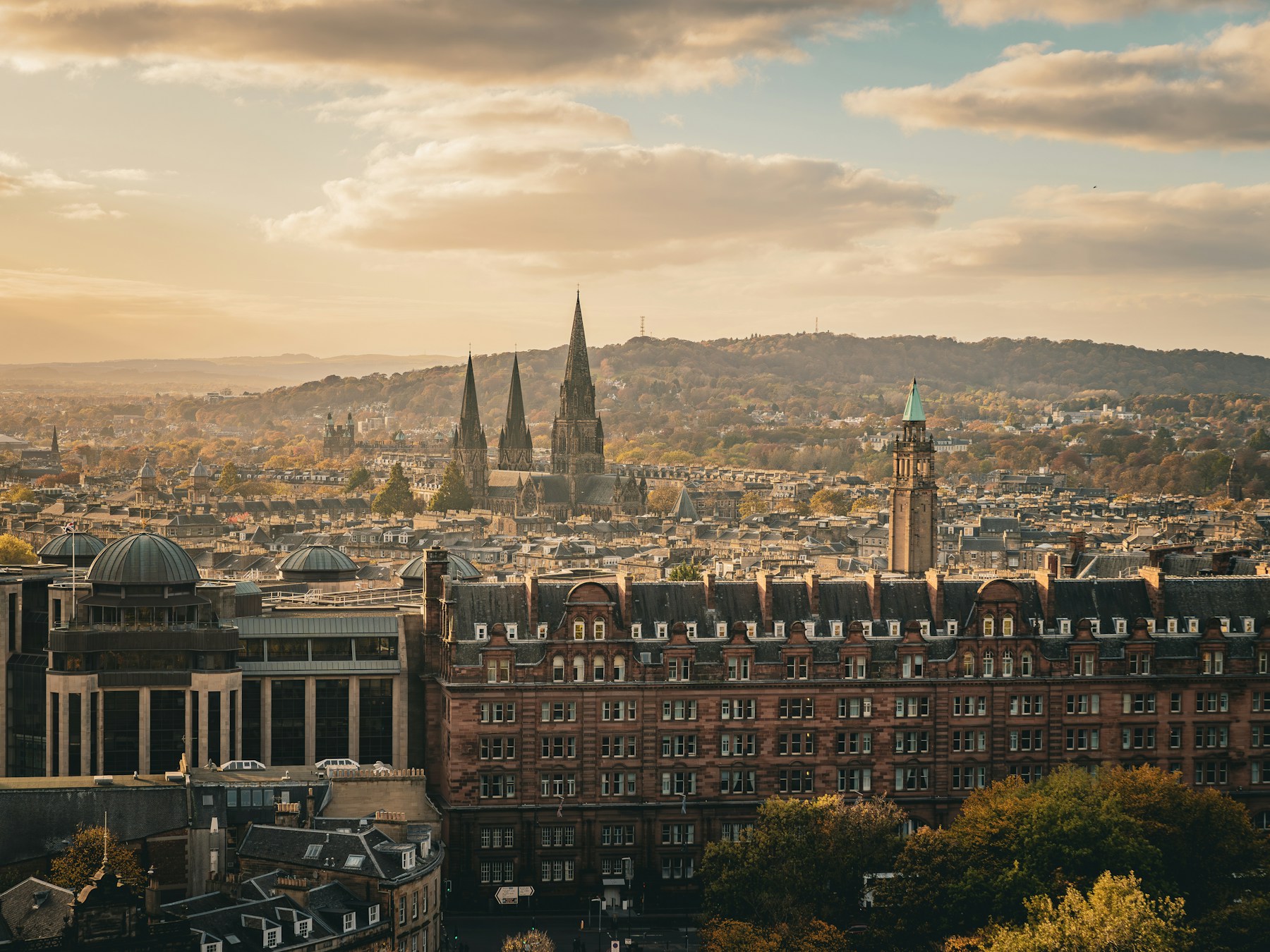

There is a quiet revolution happening across the Mediterranean. A new generation of independent hoteliers is rewriting what a luxury stay can feel like ; less marble lobby, more sun-bleached terrace; less corporate uniformity, more handmade specificity. From Mallorca's stone-walled fincas in the Tramuntana to the cliffside villas of the Cyclades and the restored masserias of Puglia, the most exciting hotel pipeline in Europe is now being built by independents and small collections. Here are the openings worth flying for in 2026, and how to secure the perks that make them even better.
Why Mediterranean boutique is having its moment
After two decades dominated by branded resorts, the centre of gravity in European luxury has shifted. The most coveted bookings of 2026 are not at the 300-room beachfronts of the early 2000s but at thirty-key, owner-run hotels with a stated point of view. The reasons are partly economic, boutique pricing has caught up with the brands and surpassed them in many cases, but mostly cultural. The post-pandemic luxury traveller wants specificity. They want to know who designed the lobby, who farms the tomatoes on the breakfast plate, where the linen comes from. They want to feel that the place could not exist anywhere else.
Mediterranean boutique answers that brief better than almost any other category in travel. The properties are smaller (often under thirty rooms), local in materials and food, and run by people who love them. The result is a stay that feels like a place rather than a product. Breakfast comes from the orchard outside; the sommelier knows the winemaker by name; the swim before dinner is in a cove that hasn't been geotagged.
It is also, for the first time in a long time, a category where you can spend serious money and feel that the money is going somewhere visible ; into restoration, into staff, into the slow craft of hospitality rather than into a brand royalty.
Mallorca: the Tramuntana fincas leading the wave
Mallorca has quietly become the most interesting hotel market in the western Mediterranean. The Serra de Tramuntana, the spine of mountains running down the island's north-west coast, is now home to a generation of restored estates that have set a new standard for what a Spanish country hotel can be.
Son Bunyola, Sir Richard Branson's restored 16th-century estate above Banyalbufar, is the headline opening. Twenty-six suites and three private villas are carved into a 680-acre working farm, with two restaurants run by chef Samuel G. Galdón using produce from the estate's own gardens, vineyards and olive groves. The pool sits on a terrace cantilevered toward the sea; the spa occupies a vaulted stone cellar. It is one of the few new openings on the island where the public spaces feel as considered as the rooms.
Further south, Cap Rocat ; a former 19th-century military fortress reimagined by Antonio Obrador as a thirty-suite hotel, remains the benchmark for design-led restoration in the Balearics. The Sea Suites are carved directly into the cliff face above the Bay of Palma, each with a private plunge pool fed by salt water. For travellers who want a quieter, more residential alternative, Son Brull near Pollença occupies a former monastery with twenty-three rooms and one of the best restaurants on the island.
Through ZOMA's preferred-partner agreements with Son Bunyola, Cap Rocat and Son Brull, we secure complimentary upgrades subject to availability, daily breakfast for two, a hotel credit (typically EUR 100 to 200 per stay) and early check-in or late check-out at no additional cost over the public rate.
The Cyclades: Paros, Antiparos and the new cliffside thirty-keys
Mykonos and Santorini still have their devotees, but the smartest money is moving one or two islands over. Paros and Antiparos have become the new home of design-led Aegean luxury, with a generation of small hotels built by Athens architects who learned at the feet of John Pawson and Ed Tuttle.
Vista Mar, opening for the 2026 season, is the most anticipated of these, a twenty-two-key cliff retreat by Athens-based K-Studio above the village of Naoussa. The hotel is built around a single quiet pool, an honest taverna kitchen and the kind of pared-back interiors (lime-washed walls, oak floors, hand-thrown ceramics) that have become the visual language of new Greek luxury. There is no spa, no kids' club, no event space. The point is the sea and the silence.
On Antiparos, The Rooster is a long-time ZOMA favourite ; sixteen private villas across a sloped cliff site, each with a plunge pool and an unobstructed sunset view. The property's wellness program (yoga at dawn, sea salt scrubs in a stone hammam) is among the most thoughtful in the Aegean. For travellers who want both Cycladic beauty and the polish of a serious spa programme, this is the place.
Booking strategy: the best rooms at all three properties are released first to advisor networks, often six to eight months before public availability opens. May, early June and September are the favourite weeks of our advisors. The sea is warm, the meltemi wind is calm and rates can be 30 to 40 percent below August peak.
Puglia and the masseria revival
Puglia's masserias, the fortified farmsteads that dot the Itria Valley ; have been the great Italian story of the last decade. What began with Borgo Egnazia and Masseria San Domenico has matured into a category of forty- and fifty-key properties that combine working agriculture with serious hospitality.
Borgo dei Conti in Umbria, a 13th-century hilltop hamlet reimagined as a forty-room Rocco Forte resort, is the headline 2026 opening of the central Italian wave. Farm-to-table cooking, a Forte Spa, and a wine programme built around the estate's own vineyards. For travellers who want Puglia proper, Masseria Torre Maizza (now part of Rocco Forte) and the smaller Masseria Le Carrube remain our most-booked properties.
What makes the masseria category so well-suited to slow luxury travel is its rhythm. These are not city hotels you check into between sightseeing days. They are destinations in themselves, five-night stays where the day's biggest decision is whether to swim before or after lunch, and where the kitchen sends a different antipasto course depending on what came out of the garden that morning.
The Adriatic and the new Croatian luxury
Croatia's hotel scene has matured faster than any other in Europe over the last five years. Maslina Resort on Hvar, the first sustainable hotel in the Adriatic, with sea-fed lap pools and a nutritionist-led restaurant programme ; has become a year-round ZOMA recommendation. Its sister property under development on the island of Brac is one of the most-watched openings of 2027.
What sets the Croatian wave apart is its embrace of contemporary architecture in dialogue with vernacular materials. Local stone, terracotta, blackened timber. The result feels both very of-the-place and very of-the-moment. We have placed clients here for honeymoons, for milestone birthdays and for quiet ten-day reset weeks. It performs in every brief.
Casa Maria Luigia and the small-format wave
The most coveted breakfast table in Italy is at Casa Maria Luigia, Massimo Bottura and Lara Gilmore's twelve-room countryside guesthouse outside Modena. Booking is by direct enquiry only and confirmation often takes weeks. The food, predictably, is some of the best in Europe, but the real reason to go is the format. Twelve rooms, a single shared dining table some evenings, and the chance to spend three or four days inside the world of Italy's most influential chef.
There are now perhaps two dozen properties of this format scattered across the Mediterranean, from Le Sirenuse's twin sister project in Capri to Ariadne in Crete to the Massimo Listri-chosen Locanda al Colle in Tuscany. Their availability is almost entirely advisor-channel-driven. For the right client, we can usually open a door that the website cannot.
How to book ; and what to ask for
These hotels rarely advertise rates. Their best rooms are released first to advisor networks, often months before public availability opens. As FORA-affiliated planners with global preferred-partner agreements (Four Seasons Preferred Partner, Belmond Bellini Club, Rosewood Elite, the Rocco Forte Hotels collection, Aman Generations, and the equivalent programmes at smaller groups), ZOMA can secure complimentary upgrades, daily breakfast for two, a hotel credit (typically USD 100 to USD 200 per stay), and early check-in / late check-out at no additional cost over the public rate.
Plan three to six months in advance for July and August; for May, June and September, increasingly the best months to travel, six to ten weeks is usually enough.
And ask for the things hotels do not advertise. A pre-arrival call from the GM. A specific east-facing room because you want sunrise on the terrace. A cooking class with the head chef instead of the standard tour. The right answer to most of these requests is yes ; but only if someone asks.
Mentioned in this piece
Plan with ZOMA
Want this trip, with the perks?
We layer complimentary upgrades, daily breakfast, hotel credits and VIP recognition onto every qualifying stay.
Start Planning