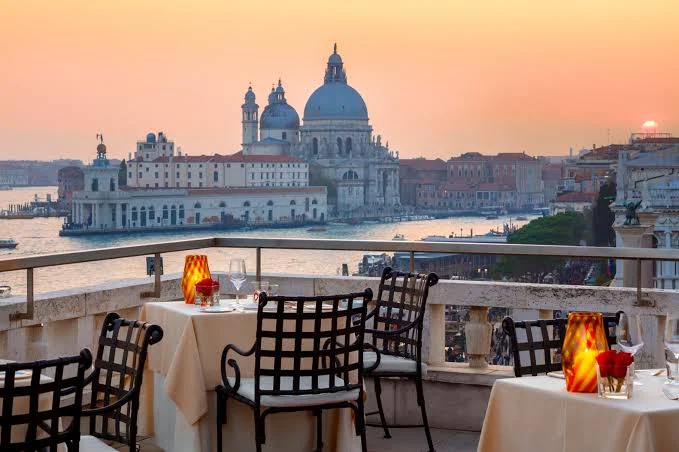

Christmas and New Year is the only week of the year where the hotel you want is not a question of budget. It is a question of whether someone else asked first. Most of the properties our clients care about were substantially committed by March, and the ones that were not are moving now. Here is what is realistically still bookable for December 2026, what has gone, and how the festive-week market actually works.
Why the festive week behaves differently
Three things collide. Minimum stays go up — five nights becomes seven, seven becomes ten at the resorts. Rates go up by 60 to 150 percent over the same room in November. And repeat guests get first refusal, which at the best properties means a meaningful share of inventory never reaches open sale at all.
The result is a market where the constraint is inventory rather than price. A client willing to pay anything for a specific Maldivian overwater villa on 31 December in a hotel with forty of them may simply not be able to have one, because all forty were confirmed fourteen months ago by families who have been going for a decade.

What has usually gone by mid-year
The Alpine chalets and ski hotels for the week between Christmas and New Year, effectively gone, with the exception of late cancellations. The top-tier Maldives and Seychelles resorts over New Year, gone at the popular villa categories, with occasional beach villas remaining. Safari camps in Kenya and Tanzania over the festive week — the good ones sell out first because the camps are eight tents, not eighty rooms.
Also typically committed: Aspen, St Barths, the Amalfi villas that stay open, Cape Town's best properties over New Year, and anything in Japan over the 29 December to 3 January domestic holiday.
What is genuinely still bookable
Cities do better than resorts. London, Paris, Rome, Vienna and New York all hold luxury inventory much later, partly because business travel disappears in that week and frees rooms. A Christmas city break booked in July is entirely achievable and the hotels themselves are at their most charming.
Southeast Asia outside the very top tier holds availability, Thailand, Vietnam and parts of Indonesia have depth of supply. The Caribbean holds inventory in the larger resorts even when the small properties have gone. South America is comparatively open, and it is high summer in Patagonia and the Chilean lakes, which is one of the great underused festive options.
And the shoulder days work. Arriving on 27 December instead of 22 December, or building the trip around New Year rather than Christmas, opens properties that show nothing at all on the classic dates.

The waitlist strategy that actually works
Festive cancellations are real and they cluster. The first wave arrives at the final-payment date, usually 90 days out, late September for a Christmas booking. The second arrives in the first ten days of December, when plans change and families release rooms.
Being on a waitlist through an advisor materially improves your odds, because release inventory at these properties is offered by phone to trade partners before it is loaded back into public availability. We hold a refundable alternative for every waitlisted client so nobody is gambling with the whole trip.
Minimum stays, meal plans and the compulsory gala
Two festive costs surprise people every year. The first is the compulsory gala dinner on 24 and 31 December, charged per person whether you attend or not, and running anywhere from EUR 200 to over 1,000 per head at the top resorts. The second is the mandatory meal plan some resorts impose across the festive period.
Neither is negotiable at most properties, but both should be in your budget from the start rather than appearing on the final invoice. We quote festive trips gala-inclusive for exactly this reason.

What to do now for December 2027
If a specific property matters to you, the request goes in now, twelve to eighteen months out. That is not an upsell — it is simply how the calendar works at hotels with fewer than fifty rooms. Repeat guests rebook on departure, so the queue forms in January for the following Christmas.
The practical move: tell us the property and the dates, we lodge the request with the hotel's reservations manager directly, and you hold a refundable position while the picture develops. It costs nothing and it is the difference between getting the villa and reading about it.

Frequently asked questions
- Is it too late to book Christmas 2026 travel?
- Not for cities, larger Caribbean resorts, Southeast Asia and South America. It is generally too late for Alpine chalets, the top Maldivian villa categories and small safari camps, though cancellations do appear at 90 days and in early December.
- Why are festive rates so much higher?
- Demand exceeds supply for a fixed ten-day window, minimum stays lengthen and repeat guests absorb much of the inventory before open sale. Expect 60 to 150 percent above November rates at resort properties.
- What is a compulsory gala dinner?
- Most resorts charge a mandatory per-person dinner on 24 and 31 December, payable whether or not you attend, ranging from around EUR 200 to over 1,000 per head. It should be budgeted from the outset.
- When should I book Christmas 2027?
- Twelve to eighteen months ahead for any property with fewer than fifty rooms. Requests for the following festive week are typically lodged in January.
Plan with ZOMA
Want this trip, with the perks?
We layer complimentary upgrades, daily breakfast, hotel credits and VIP recognition onto every qualifying stay.
Start Planning