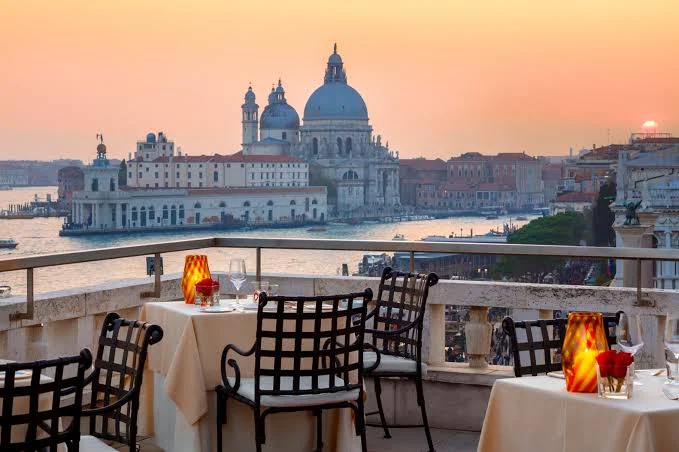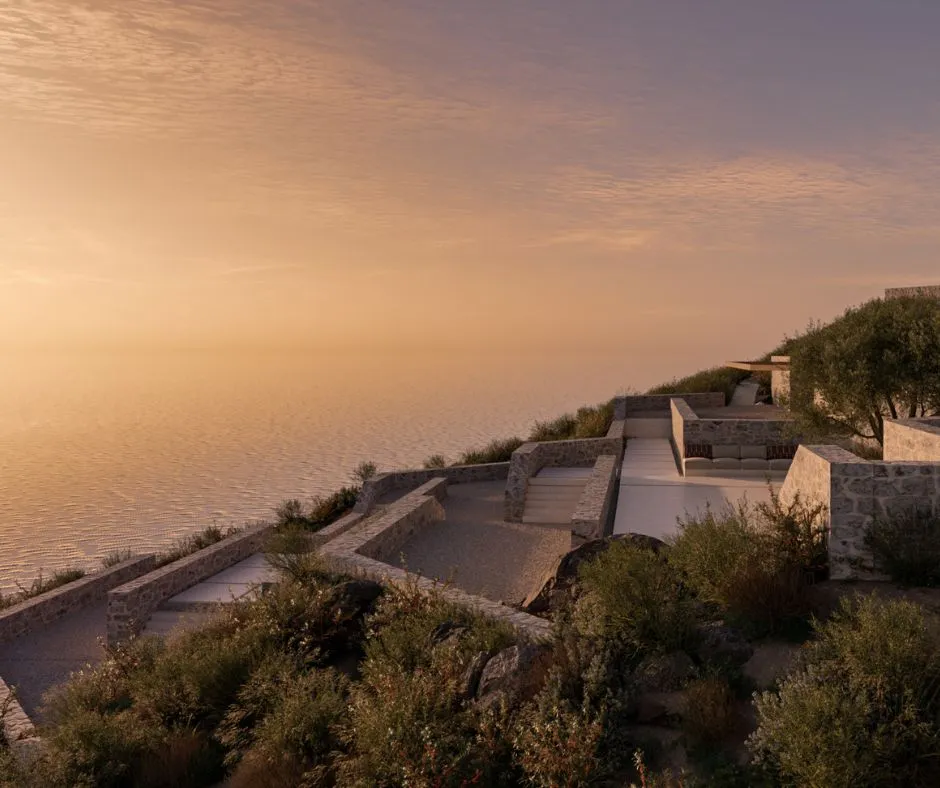

The best two weeks to be in Europe are almost never the two weeks most people take. September in Italy, October in Greece, late April on the Amalfi Coast, early June in Provence. The weather is better than the brochure months. The restaurants are run by their owners rather than seasonal staff, and the hotel that quoted an absurd August rate will quote something sane. Here is how to build a shoulder-season trip properly, and the specific weeks we book.
What shoulder season actually means now
It has moved. Climate patterns have stretched the reliable warm window at both ends, and the crowds have not fully caught up. Southern Italy is comfortably warm into mid-October. Greece holds swimming temperatures into the third week of October in the Dodecanese. Spain's south is pleasant in March in a way it was not fifteen years ago.
Meanwhile, August in southern Europe has become genuinely difficult, heat, crowds, and a service quality dip as owners take their own holidays. The old advice to travel in June or September is now closer to: travel in late May, late September or early October, and treat August as the month to be somewhere north or somewhere elevated.

The specific weeks we book
Italy: the last week of September and the first two of October for the coast; mid-May for the cities before the heat arrives. Greece: the second and third weeks of September for the islands, early October for Crete and the Dodecanese, which stay warmest.
France: mid-June for Provence before the French holidays start, and the whole of September for Paris, which is arguably the best month in the city. Spain: late April and May for Andalusia, September and October for the Balearics. Portugal: May and October both work, with October slightly warmer in the water.
Croatia and Montenegro: early June and the first half of September. Turkey's Aegean and Turquoise coasts: late September through mid-October, which is the strongest value in the Mediterranean right now.
The money difference is larger than people expect
A cliffside Amalfi room that costs EUR 1,400 in the first week of August will frequently be EUR 700 to 850 in the first week of October, with the same view and better weather for walking. Greek island hotels drop 30 to 45 percent between mid-August and late September. Private boat charters, which are the largest single line item on many Mediterranean trips, drop even more sharply because operators would rather run at a discount than not run.
Flights follow the same curve with a lag — the fare drop tends to arrive two weeks after the hotel drop, which means the smart booking pattern is to lock hotels early for shoulder dates and hold flights slightly longer.

The trade-offs, honestly
Some things close. Beach clubs in the Cyclades start shutting in the second week of October, ferry frequencies drop, and a few of the smaller island hotels close entirely. In Italy, the coastal towns get very quiet after the second week of October in a way that some travellers love and others find flat.
Weather variance rises. September in the Mediterranean is mostly glorious and occasionally stormy for two days. Build one flexible day into a shoulder-season itinerary and it stops mattering. October in the Alps can deliver early snow, which is beautiful and closes some hiking routes.
And daylight shortens noticeably. A day that runs to 9pm in July ends at 7pm in October. That changes how you plan boat days and long drives more than people anticipate.
Where to go in August instead
If August is the only month you can travel, go up or go north. The Alps in August are superb, hiking, lake swimming, half the winter rate, and the grand hotels are fully staffed. Scandinavia and the Scottish Highlands are at their best. Northern Spain, Asturias, the Basque country, is cool, green and has the best food in Europe.
The other August strategy is to stay in a city that empties. Paris in the second half of August is a genuinely lovely, quiet city with excellent hotel availability, provided you accept that a proportion of restaurants will be closed.

How to book it
Shoulder dates at the best small hotels are no longer a late-booking market. The 20-room properties on the Amalfi Coast and in the Cyclades now sell their October inventory by May, because everyone has worked out the same thing. Book six months ahead for the specific weeks above.
Where you can be late: the larger resorts and the city hotels, which hold inventory much longer. Where you cannot: private boats, the two or three restaurants per destination that matter, and any hotel with fewer than 25 rooms.

Frequently asked questions
- When is shoulder season in Europe?
- Broadly late April to mid-June and mid-September to late October, though it now runs later in the south. The last week of September and first two of October are the strongest weeks in Italy and Greece.
- How much cheaper is shoulder season?
- Expect 30 to 45 percent off peak hotel rates in the Mediterranean, and steeper discounts on private boats and villa rentals. Flights fall too, usually a couple of weeks after hotel rates.
- Is the sea warm enough in October?
- In Greece, southern Italy, Turkey and the Balearics, yes into mid-October. The Adriatic and northern Mediterranean cool faster and are better in September.
- What closes in shoulder season?
- Beach clubs and some small island hotels from mid-October, with reduced ferry frequencies in Greece. Cities and larger resorts operate normally year-round.
Plan with ZOMA
Want this trip, with the perks?
We layer complimentary upgrades, daily breakfast, hotel credits and VIP recognition onto every qualifying stay.
Start Planning